

Making a Blanket Fort
There is no one right way to build a fort. Get creative and use the resources you have available in your home to make a fort that works for you and your child. Anything from sheets to stringing lights under a bunk bed, the idea is to have fun!

Making Apple Cinnamon Holiday Ornaments
Fall and the holiday season is always one filled with excitement, no matter your age. There are changes to the sounds we hear, the colours we see, and the morning air feels crisp on our cheeks. This is a fun time for embracing colourful crunchy leaves, smooth chestnuts, and spiky pinecones. This easy-to-follow recipe to make homemade holiday ornaments offers a fun activity as well as helps engage with some of the sensory experiences of the holidays!

A Resonance Board – providing Sensory Feedback
Sound and touch can be encountered in quite a random way for children who have low vision or blindness and particularly for those who are deafblind or have motor and medical complications. A resonance board can provide a way of organising sound out of chaos in a very simple way by providing sound and vibrations transferred through the board, (think of a large drum skin).

Make your own Tambourine
Make your own homemade tambourine using household items around the home, with materials such as paper plate or aluminum pie pans, scissors, bells, bottle caps and a bit of string or twist ties to attach the bells.
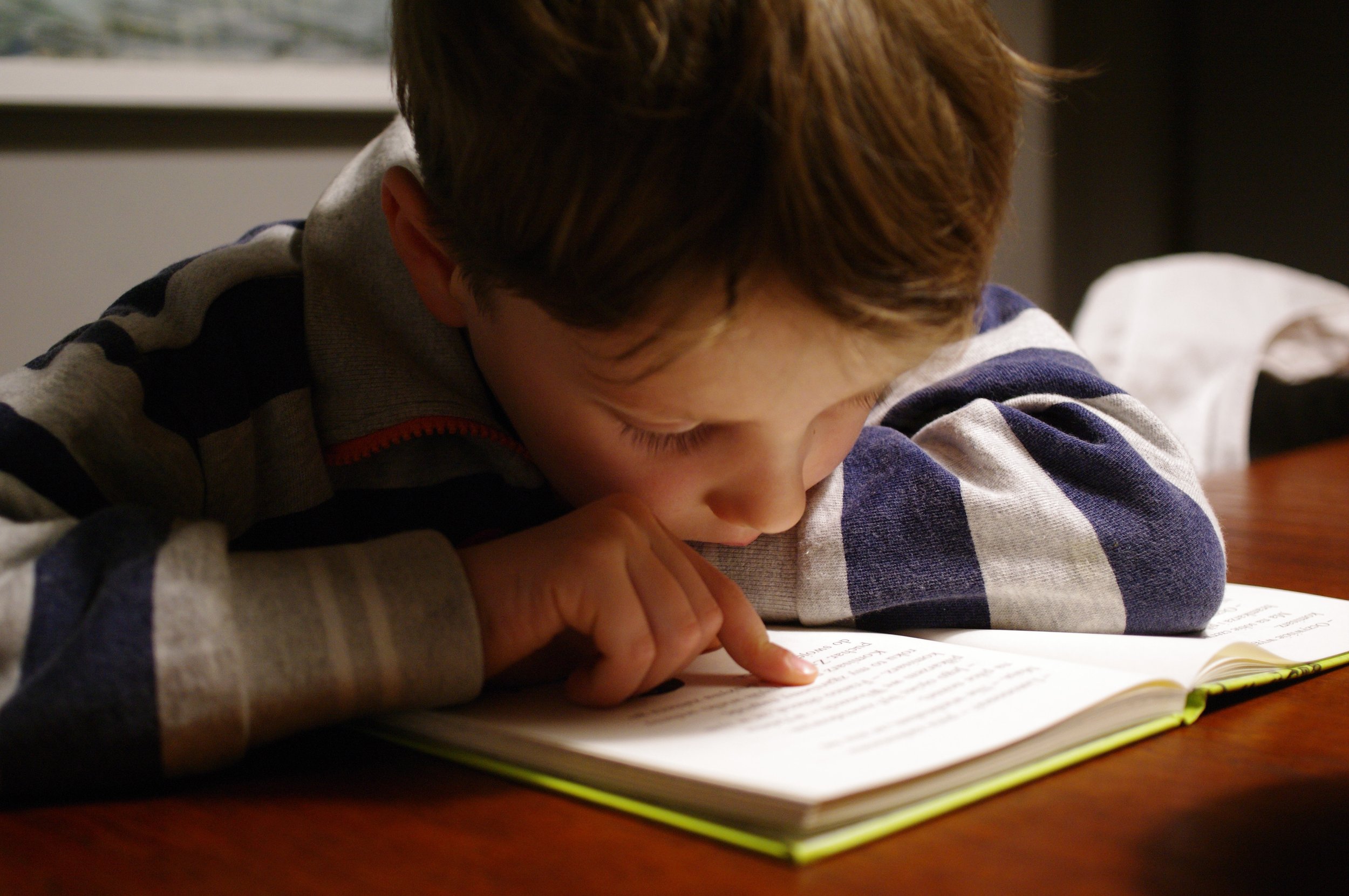
Early Literacy Resources - Books
Reading with your child is a special time to bond and connect with them. Holding them in your arms with a book is a wonderful time to share stories and rhymes and sets them up for the enjoyment of reading for the years to come. Reading to your child helps them with learning new vocabulary and concepts, problem solving, building memory and learning about the meaning of things.

Prep for hopping and jumping
There are many ways to Rock ‘n Roll and many skills that can be developed while doing so! Think about what can of fun music/ songs you can listen to while bouncing, balancing, jumping and dancing with your toddler.

Making Noise Into Music
Have you ever considered that you can make music out of household items? These activities will target the development and refinement of going from making noise to producing simple music. Along the way your child will learn about concepts like loud/quiet, hard/soft, fast/slow, high pitch/low pitch and making or copying rhythm and simple melodies.

Simon Says
Many young children with visual impairments enjoy engaging with their parents in fun games. Playing a fun game of Simon Says can help to reinforce directional concepts in relation to the child’s body and develop active listening skills. The purpose of this activity is to create opportunities for a child to learn about purposeful movement and directions in relation to their body parts.

Texture Scavenger Hunt
Scavenger hunts can be fun and provide an opportunity for exploration and movement. A scavenger hunt focused on textures can help with concept development and sensory skills. Hunting for and discriminating characteristics of objects, (size, texture, temperature, weight) can best be done by helping the child to use her/his hands in a structured search and exploration approach i.e. feeling an object from top to bottom, left to right, front side - back side.

Playing Peekaboo
Peekaboo is a popular game among babies and toddlers! One great thing about peekaboo is there are lots of variations you can do to tailor it to your child’s abilities! Peekaboo is also great because it helps your child develop the understanding that people and things still exist when you cannot see/hear/touch them. Here are some suggestions on ways to play peekaboo.

Bath Time Activities
Bath time can be a time of fun, learning and relaxation. Here are a few ideas to make bath time an event to look forward to. As always please do not leave children unattended in the tub and use the floor as a change surface.